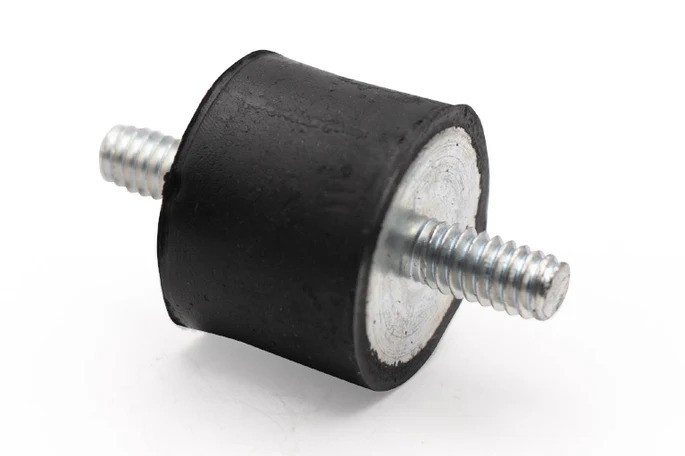
Industrial machinery produces varying levels of kinetic energy that, if left unmanaged, can cause severe structural damage, equipment misalignment, and excessive workplace noise. To mitigate these risks, engineers rely on specialized damping hardware to decouple machinery from its supporting structures. However, selecting the right components requires a deep understanding of the unique forces at play within your facility. Using a systematic approach ensures you deploy the correct hardware for your specific application. This article breaks down the
vibration isolator selection guide, foundational mechanics behind structural damping, and explores the different methodologies available to protect your mechanical investments.
Your Essential Vibration Isolator Selection Guide
Choosing the correct isolation hardware requires a detailed analysis of your equipment’s physical metrics. Utilizing a structured
vibration isolator selection guide prevents costly engineering errors and ensures your chosen system provides optimal performance.
Step 1: Calculate Total Weight and Mass Distribution
Before sourcing hardware, you must determine the gross operating weight of the fully assembled machine, including all fluids, internal components, and connected accessories. Additionally, you must evaluate how that weight is distributed across the footprint of the unit. Symmetrical machines distribute weight evenly, but units with off-center motors concentrate their mass on specific support feet, requiring higher-capacity isolators at those specific points.
Step 2: Identify the Forcing Frequency
The forcing frequency is the speed at which the primary moving part operates, typically measured in revolutions per minute (RPM) or Hertz (Hz). To achieve effective dampening, the natural frequency of your chosen isolator must be significantly lower than the forcing frequency of the machine. If these two values align, a destructive phenomenon known as resonance occurs, which will violently amplify the shaking rather than reduce it.
Step 3: Evaluate Environmental Conditions Per Vibration Isolator Selection Guide
The operating environment dictates what materials can be used safely in your facility. Sourcing hardware without considering environmental exposure leads to rapid material failure and unexpected downtime.
- Chemical Exposure: Standard natural rubber degrades quickly when exposed to motor oil, diesel fuel, or industrial solvents.
- Temperature Extremes: High-heat utility rooms require synthetic elastomers like silicone, while sub-zero outdoor installations demand specialized low-temperature compounds.
- Corrosion Risks: Coastal facilities or wash-down production bays require stainless steel housings or galvanized coatings to prevent rust.
Material Performance Matrix
Review the comparison data below to see how different common isolation substrates hold up against standard industrial workspace challenges.
| Isolator Medium |
Low-Frequency Efficiency |
Chemical Resistance |
Durability Under Shock |
| High-Density Rubber |
Moderate performance |
Poor unless synthetically blended |
Exceptional shock absorption |
| Open-Coil Steel Spring |
Outstanding isolation |
Excellent with protective coatings |
Poor without secondary pads |
| Reinforced Air Bellows |
Exceptional control |
Good overall resilience |
Moderate capacity |
Primary Types of Vibration Isolation
The primary
types of vibration isolation generally fall into two broad categories based on how they handle kinetic energy. Understanding the distinction between these methods is the first step in designing an effective equipment stabilization strategy.
Active Isolation Systems
Active systems utilize electronic sensors, feedback loops, and pneumatic or electromagnetic actuators to counteract mechanical movement in real-time. When a machine produces an internal shift in mass, the system detects the acceleration instantly and applies an equal, opposite force to cancel out the movement. This highly advanced approach is typically reserved for precision laboratory environments, semiconductor manufacturing arrays, and optical microscopy labs, where even micro-oscillations can ruin production quality.
Passive Isolation Systems
Passive systems rely strictly on the inherent physical properties of resilient materials to absorb, deflect, and dissipate kinetic forces. These systems do not require external power sources or complex control software, making them the industry standard for commercial manufacturing, HVAC setups, and automotive facilities. Passive systems utilize elastomeric compounds, mechanical springs, or air cushions to interrupt the transmission of energy between a machine and its foundation.
Implementing a comprehensive equipment stabilization program is a fundamental engineering requirement for any modern facility. By carefully evaluating the different types of hardware available and following a detailed selection guide, you protect your valuable machinery from premature wear and lower workplace noise levels. Taking a proactive approach to managing kinetic energy keeps your business running smoothly, lowers your overall maintenance costs, and ensures a safer, more productive work environment for your entire team.