
On This Page
Implementing a Carpet Sample Board to Enhance Retail Engagement
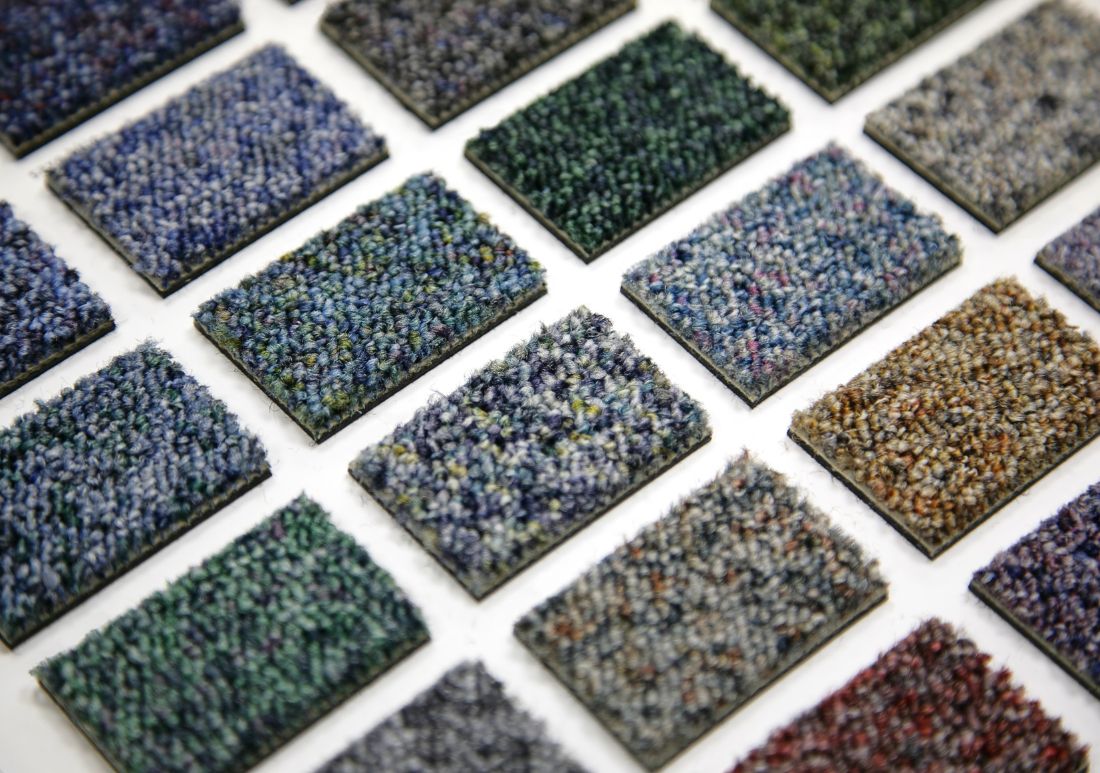
Transforming passive showroom visitors into committed buyers requires a display system that highlights the unique selling points of each flooring line. A professional carpet sample board serves as an interactive sales tool that allows clients to compare construction techniques and pile heights side by side.Maximizing Tactile Interaction
Flooring purchases are inherently tactile, meaning customers need to feel the density and softness of a fiber before making a commitment. The layout of the board must allow for easy touching while keeping the textile securely anchored to the substrate. Retailers should position premium nylon and soft triexta samples at eye level, encouraging customers to run their hands across the surface and immediately perceive the quality differential.Designing for True Color Representation
Color accuracy is a critical factor in reducing product returns and customer dissatisfaction. The backing material of the display panel should feature a neutral matte finish, such as charcoal gray or stark white, to prevent color bleeding or optical illusions. This neutral boundary ensures that subtle undertones in beige, gray, and cream carpets remain true to life under standard showroom lighting conditions.Strategic Layouts for Modern Carpet Display Boards
Large retail spaces require a cohesive arrangement of multiple product lines to guide customers through different price points and material categories. Utilizing specialized carpet display boards allows store managers to create distinct brand destinations within the retail footprint.Categorizing by Performance and Traffic Ratings
Grouping samples logically helps customers self-select based on their specific lifestyle requirements. Displays should feature clear segments that separate high-traffic options from luxury residential lines.- Active Family Zones: Highlight durable, stain-resistant polyester and nylon blends with tight twist levels.
- Luxury Suites: Showcase deep, plush saxonies and elegant patterns that appeal to high-end buyers.
- Commercial Utilities: Isolate low-profile loop styles and carpet tiles engineered for heavy foot traffic.
Incorporating Visual Hierarchy
The physical dimensions of the swatches on the panel should reflect their popularity and design complexity. Retailers should use a large focal swatch for the top-selling neutral color, surrounded by smaller perimeter swatches showcasing the alternative colorway options. This layout structure captures attention from a distance while demonstrating the full depth of the color palette.Technical Specifications for Heavy Duty Carpet Sample Boards
Because showroom displays experience constant handling from customers and design professionals, the structural integrity of the presentation panel is paramount. Investing in commercial-grade carpet sample boards prevents premature wear and maintains a professional brand image.Substrate Rigidity and Edge Protection
The foundation of the display board must resist bending and warping under the weight of thick, heavy-backed textiles. High-density plastic composites or multi-layer paperboards provide the necessary structural rigidity. Additionally, applying a durable PVC edge banding around the perimeter of the board protects the corners from fraying or denting during routine transportation and restocking cycles.Secure Bonding and Labeling Methods
Swatches must remain permanently attached to the substrate despite repeated pulling and rubbing. Industrial hot-melt adhesives or mechanical rivets ensure long-term adhesion. On the reverse side of the panel, manufacturers should print clear technical data including:- Fiber Composition: Clearly identify whether the material is nylon, wool, polyester, or a specialized blend.
- Face Weight and Density: Provide the exact ounces per square yard to justify premium pricing tiers.
- Warranty Specifications: Display stain, fade, and texture retention coverage to build consumer confidence.