
On This Page
ACLS Certification in Ohio: What It Is and Why It Matters in Ohio
What is ACLS Certification?
ACLS stands for Advanced Cardiovascular Life Support. It encompasses a set of clinical guidelines and protocols designed to help healthcare providers respond effectively to cardiovascular emergencies. ACLS certification is critical for professionals managing patients experiencing cardiac arrest, stroke, or other life-threatening situations.Importance of ACLS Classes, Cleveland, Ohio
In Ohio, as in the rest of the United States, many healthcare professionals, including nurses, paramedics, and physicians, are required to hold ACLS certification. This certification not only enhances skills but also ensures that providers are equipped with the latest knowledge and techniques in cardiovascular care. ACLS training covers vital topics such as:- Basic life support (BLS)
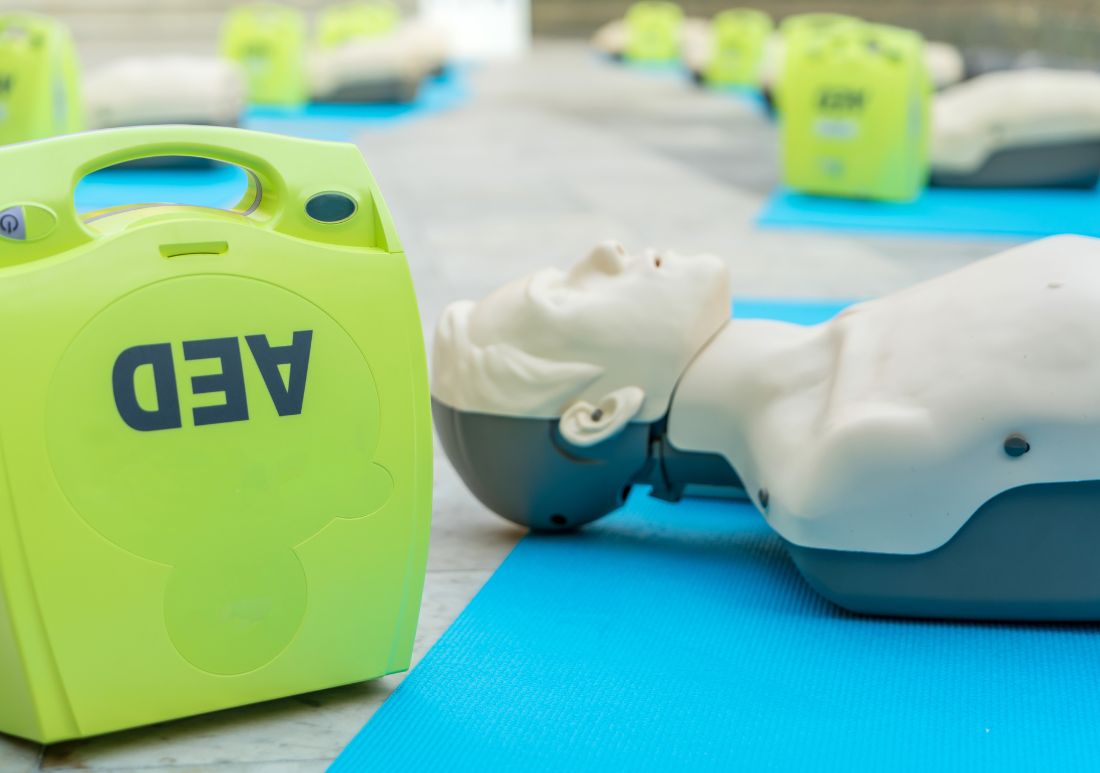
- Using automated external defibrillators (AEDs)
- Pharmacology related to cardiac emergencies
- Effective communication within a resuscitation team
Key Benefits of ACLS and PALS Classes Near Me
Enhanced Job Opportunities
One major benefit of enrolling in an ACLS class in Cleveland, Ohio, is increased job opportunities. Many healthcare employers require ACLS certification for roles in emergency departments, critical care units, and outpatient settings. Holding this certification makes candidates more competitive in the job market.Improved Patient Outcomes
Becoming ACLS certified prepares healthcare professionals to respond effectively to life-threatening situations. The knowledge and skills gained during training directly improve patient outcomes. Timely and effective interventions in cardiac emergencies can significantly increase survival rates. According to the American Heart Association, effective bystander CPR can double or triple a cardiac arrest victim’s chance of survival.Professional Development
ACLS certification is not just a requirement; it also offers opportunities for professional growth. The training promotes ongoing education and keeps healthcare providers updated on the latest protocols and practices in emergency care.Networking Opportunities
Participating in ACLS and PALS classes near me allows healthcare professionals to connect with peers. This networking can lead to new job opportunities, mentorship, and collaboration on patient care initiatives.Eligibility Requirements for ACLS Certification in Ohio
Basic Prerequisites
To qualify for ACLS certification, candidates must typically meet these basic prerequisites: Current BLS Certification: Candidates must hold a valid Basic Life Support (BLS) certification. BLS serves as the foundation for ACLS training and is necessary for enrollment in ACLS courses. Healthcare Background: Most ACLS courses target healthcare professionals, such as nurses, paramedics, and physicians. While some courses may welcome other professionals, a healthcare background is generally expected.Recommended Experience
While there are no strict prerequisites beyond BLS certification, having some clinical experience is recommended. This experience helps participants understand the scenarios covered in ACLS training and enhances their ability to apply knowledge in real-life situations.The ACLS Certification Process: Step-by-Step Guide
Step 1: Choose an Accredited Program
The first step in obtaining your ACLS certification is selecting an accredited training program. Look for courses offered by reputable organizations such as the American Heart Association (AHA) or the Red Cross. These organizations provide high-quality training recognized nationwide.Step 2: Register for the Course
Once you have selected a program, register for the course. Many institutions offer both in-person and online options to fit your learning style and schedule.Step 3: Complete the Course
The ACLS course typically consists of both lectures and hands-on components. Participants will learn about:- The latest guidelines in ACLS
- Team dynamics in resuscitation
- Advanced airway management
- Pharmacological interventions
Step 4: Pass the Examination
After completing the training, candidates must pass a written exam and demonstrate their skills in practical scenarios. Successfully completing these assessments leads to ACLS certification.Step 5: Receive Your Certification
Upon passing the exam, you will receive your ACLS certification, valid for two years. Keep a copy of your certification for your records and have it available for potential employers.Where to Find Accredited ACLS Training Programs in Ohio
Local Training Centers
Ohio has numerous accredited training centers that offer ACLS certification. Here are some options: Hospitals and Medical Centers: Many hospitals provide ACLS training for staff and the community. Check with local hospitals in your area. Community Colleges and Universities: Educational institutions often offer ACLS courses as part of their nursing or medical programs. Online Training Providers: Several organizations provide online ACLS training, which can be flexible for busy schedules.Search Options
To find ACLS and PALS classes in Cleveland, Ohio, or other locations, use online search engines or visit the websites of reputable organizations like:- American Heart Association
- Red Cross
Cost Considerations: Investing in Your ACLS Certification
Course Fees
The cost of ACLS certification courses varies based on the provider and location. Generally, expect to pay between $150 to $300 for the course, including materials and certification fees.Additional Costs
Consider any extra costs that may arise, such as:- Textbooks and study materials: Some courses may require you to purchase or rent textbooks.
- Renewal fees: Remember that ACLS certification is valid for two years, so budget for renewal costs.
Value of Certification
While the upfront costs may seem significant, investing in ACLS certification in Ohio can pay off through improved job prospects, higher salaries, and better patient outcomes.Maintaining Your ACLS Certification: Renewal and Continuing Education
Renewal Process
ACLS certification is valid for two years. To maintain your certification, renew it before it expires. The renewal process typically involves: Completing a Renewal Course: Many providers offer a shorter renewal course that reviews the latest guidelines and refreshes your skills. Passing the Renewal Exam: Similar to the initial certification, you will need to pass an exam to demonstrate your knowledge and skills.Continuing Education
To stay current in your knowledge and skills, consider pursuing additional training and certifications. Ongoing education can include: PALS Certification: Pediatric Advanced Life Support (PALS) is important for those working with children in emergencies. Advanced Trauma Life Support (ATLS): For those involved in trauma care, this certification enhances your capabilities. Regularly Attending Workshops: Participate in workshops and seminars to keep up with the latest practices and research in emergency care.| Topic | Description | Benefits |
| Renewal Course | A shorter course that reviews the latest guidelines and refreshes skills. | Saves time and ensures knowledge is current. |
| Passing the Renewal Exam | Candidates must demonstrate knowledge and skills through an exam. | Confirms preparedness to handle emergencies. |
| PALS Certification | Pediatric Advanced Life Support certification for those working with children. | Expands skill set for pediatric emergencies. |
| ATLS Certification | Advanced Trauma Life Support certification for trauma care professionals. | Enhances capabilities in trauma situations. |
| Workshops and Seminars | Regular participation in workshops to stay updated on emergency care practices. | Continuous learning and networking opportunities. |