
On This Page
Using Custom Roto Mold Tanks for Industrial Solutions
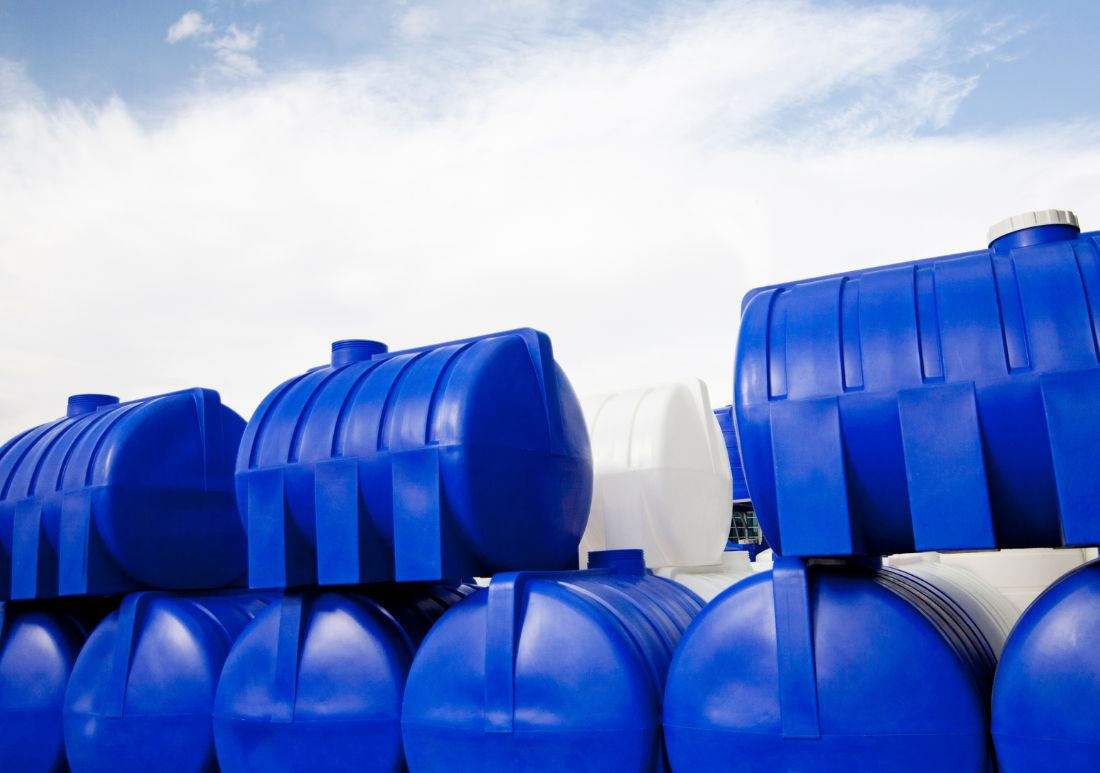
The transition to custom roto mold tanks is often driven by the need for a seamless, one-piece construction. Unlike tanks that are welded or bolted together, these units are formed as a single solid piece. This eliminates the presence of seams or joints, which are typically the first points of failure in a storage system. Because there are no weak spots, the risk of leaks or environmental contamination is significantly reduced. This is particularly important for businesses that handle hazardous materials, where a single leak could lead to expensive cleanup costs and regulatory fines.The Engineering Behind Rotational Molding for Plastic Tanks
The process of rotational molding for plastic tanks involves a heated hollow mold filled with a shot weight of material. It is then slowly rotated, usually around two perpendicular axes, causing the softened material to disperse and stick to the walls of the mold. To maintain an even thickness throughout the part, the mold continues to rotate at all times during the heating phase and to avoid sagging or deformation during the cooling phase. This method is ideal for producing large, hollow parts that need to be both lightweight and incredibly strong.Achieving Seamless Construction
The lack of seams is the hallmark of rotational molding for plastic tanks. When a tank is created without welds, the molecular structure of the plastic remains continuous. This structural continuity allows the tank to expand and contract with temperature changes without developing stress fractures. In industrial settings where temperature fluctuations are common, this physical property ensures a much longer service life for the storage equipment.Ensuring Stress-Free Material Integrity
Unlike injection molding, which uses high pressure to force plastic into a cavity, rotational molding is a low-pressure process. This means the plastic is not under “molded-in” stress. The resulting custom roto mold tanks are more dimensionally stable and less prone to warping. This stability is vital for tanks that must maintain precise tolerances to fit into specific brackets or connect to specialized plumbing systems.Advantages of Specialized Liquid Storage
When comparing different storage options, durability and environmental resistance are usually the top priorities. The materials used in this process are specifically chosen for their ability to withstand harsh conditions without degrading.Superior Impact Resistance
In a busy warehouse or construction site, equipment is often subjected to accidental impacts from forklifts or other machinery. Custom roto mold tanks are typically made from polyethylene, a material known for its high impact strength. Instead of shattering like fiberglass or denting like metal, these plastic tanks can often absorb the energy of an impact and return to their original shape. This “memory” effect is a key reason why they are favored for mobile applications, such as water trucks or agricultural sprayers.Resistance to Corrosive Chemicals
Chemical compatibility is another area where rotational molding for plastic tanks excels. Polyethylene is naturally resistant to a wide range of acids, bases, and salts. This makes these tanks the perfect choice for water treatment facilities, chemical processing plants, and laboratories. Because the plastic is non-reactive, there is no risk of the tank material leaching into the stored liquid or the liquid eating through the tank walls.Quick Reference: Material Benefits
- High-Density Polyethylene (HDPE): Offers excellent chemical resistance and stiffness.
- Linear Low-Density Polyethylene (LLDPE): Provides superior impact resistance and flexibility.
- Cross-Linked Polyethylene (XLPE): Best for high-temperature and high-stress applications.
Customization and Versatility
One of the primary reasons to choose a custom solution is the ability to tailor the tank to a specific application. Every industrial site has unique constraints, and a one-size-fits-all approach rarely works.Tailored Sizes and Configurations
Whether you need a low-profile tank to fit under a vehicle chassis or a tall, narrow tank to maximize vertical space in a small room, custom roto mold tanks can be designed to your exact specifications. Engineers can optimize the footprint of the tank to ensure that every square inch of the facility is used efficiently.Integrating Molded-In Components
One of the most efficient features of this manufacturing process is the ability to mold in various components. This includes threaded inserts, baffles, handles, and even mounting brackets.- Fittings and Outlets: Placed exactly where your plumbing requires them.
- Internal Baffles: Essential for mobile tanks to prevent liquid from sloshing and affecting vehicle stability.
- Level Indicators: Molded-in gallon markers that will never fade or peel off.
Financial Benefits for Businesses
While the initial design of a custom mold requires an investment, the long-term savings often far outweigh the upfront costs. Efficiency in manufacturing and reduced maintenance needs make this a sound financial decision.Lower Tooling Costs Compared to Injection Molding
The molds used for rotational molding for plastic tanks are typically made from aluminum or steel sheet metal. These molds are much less expensive to produce than the heavy-duty steel tools required for injection molding. This makes the process cost-effective even for smaller production runs, allowing businesses to order exactly what they need without being forced into massive minimum quantities.Longevity and Reduced Replacement Frequency
Because custom roto mold tanks do not rust, rot, or corrode, they have an exceptionally long lifespan. Many tanks can remain in service for decades with very little maintenance. This longevity means that the “total cost of ownership” is significantly lower than that of steel tanks, which may require frequent repainting or lining replacements to prevent rust.Industry Applications for Roto-Molded Tanks
The versatility of these tanks has led to their adoption across a broad spectrum of industries. Each sector utilizes the benefits of the process to solve specific challenges.Agriculture and Irrigation
Farmers use these tanks for everything from liquid fertilizer storage to livestock watering. The UV-resistant properties of the plastic ensure that the tanks can sit in the sun for years without becoming brittle or cracking.Chemical Processing and Treatment
In the water treatment industry, tanks must hold aggressive chemicals like chlorine or caustic soda. The seamless construction of custom roto mold tanks ensures that these chemicals stay contained, protecting both the workers and the environment.Food and Beverage Storage
Many resins used in rotational molding for plastic tanks are FDA-approved, making them safe for storing potable water or food-grade ingredients. The smooth interior surfaces are also easy to clean and sanitize, preventing the growth of bacteria.Comparison of Tank Materials
| Feature | Roto-Molded Plastic | Stainless Steel | Fiberglass (FRP) |
| Corrosion Resistance | Excellent | Good (but expensive) | Very Good |
| Impact Strength | High | Moderate | Low (brittle) |
| Tooling Cost | Low | N/A (fabricated) | Moderate |
| Weight | Lightweight | Heavy | Moderate |